

About Hydraulic Pictures
Hydraulic Pictures exists at the intersection of institutional trust and cultural access.
I'm Bill Streeter, founder of Hydraulic Pictures. For more than 25 years, I’ve worked inside environments where cameras are tolerated only if they don’t interfere—city offices, foundations, public events, backstage spaces, and working institutions. The job has never been to take over the room. It’s been to understand it quickly, move quietly, and capture what matters without changing the outcome. That work has included the feature documentary Brick by Chance and Fortune*, media for the BBC, NPR, and PBS, and, since 2013, the institutional and cultural work done under the Hydraulic Pictures name.
That operating style didn’t come from production theory. It came from proximity.
Earned Access
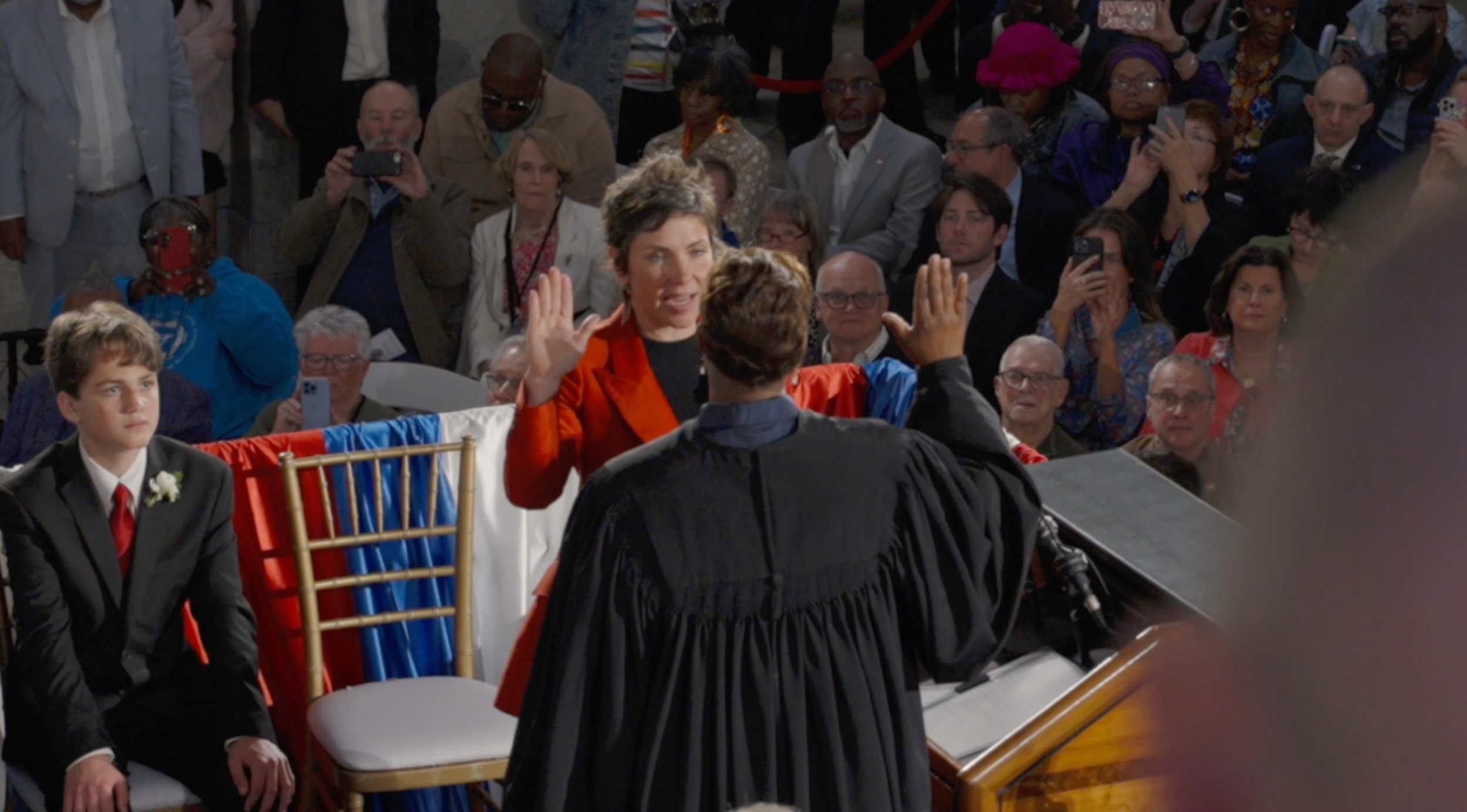
Access isn’t granted because of equipment or credentials.
It’s granted because people trust that you won’t disrupt the work.
Over time, that trust compounds. You’re allowed closer. You’re allowed earlier. You’re allowed to stay longer.
That’s how this work functions—from the Mayor’s office to locker rooms, from civic events to cultural spaces that don’t open up for traditional crews. The camera becomes part of the environment, not an intrusion.
How This Work Is Different
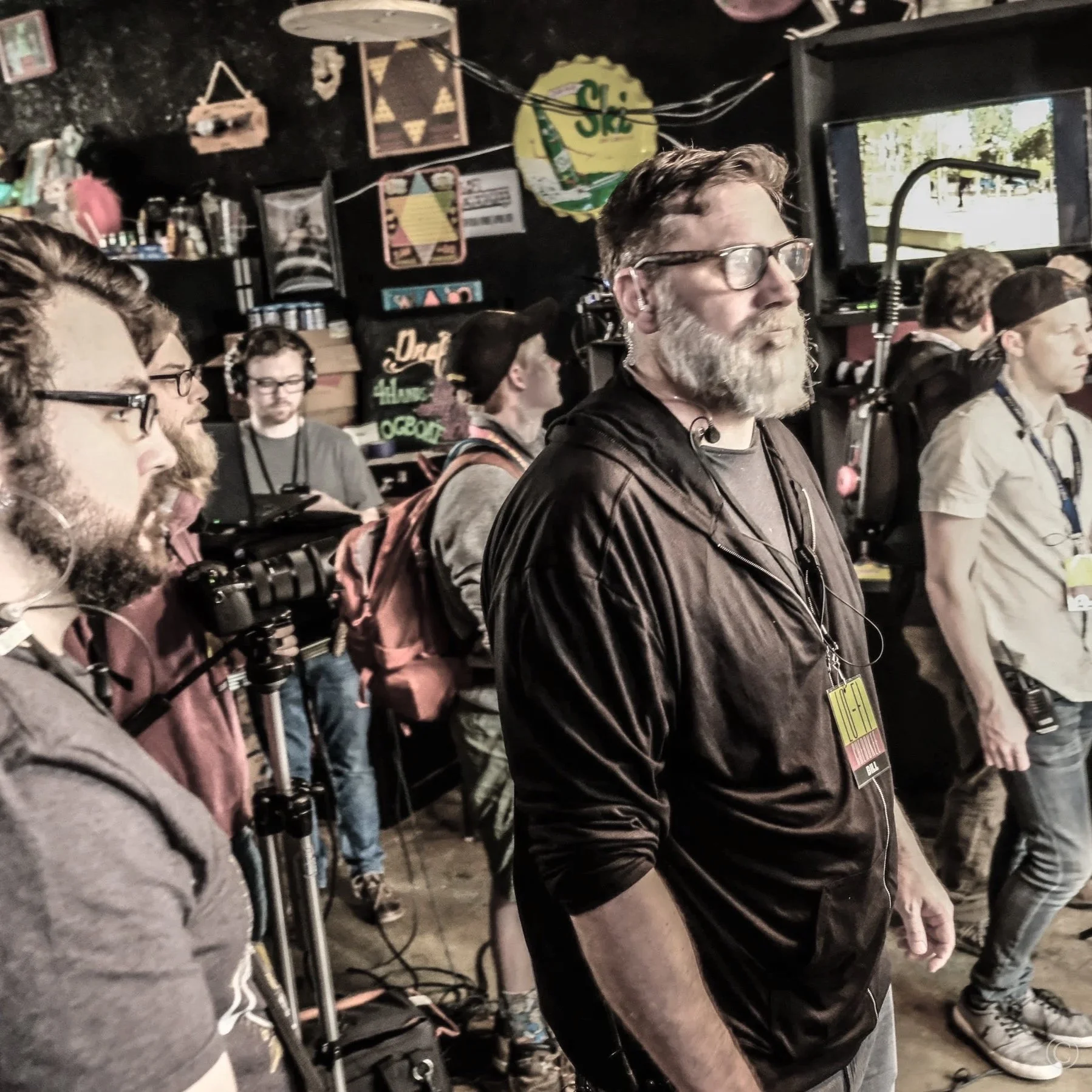
I don’t approach projects as a technician or a vendor.
I approach them as a quiet operator embedded in the moment.
That means:
reading situations in real time
knowing when not to shoot
understanding which moments carry weight and which don’t
The result is media that feels grounded rather than manufactured—and credibility that doesn’t need explanation.
Cultural Context Matters
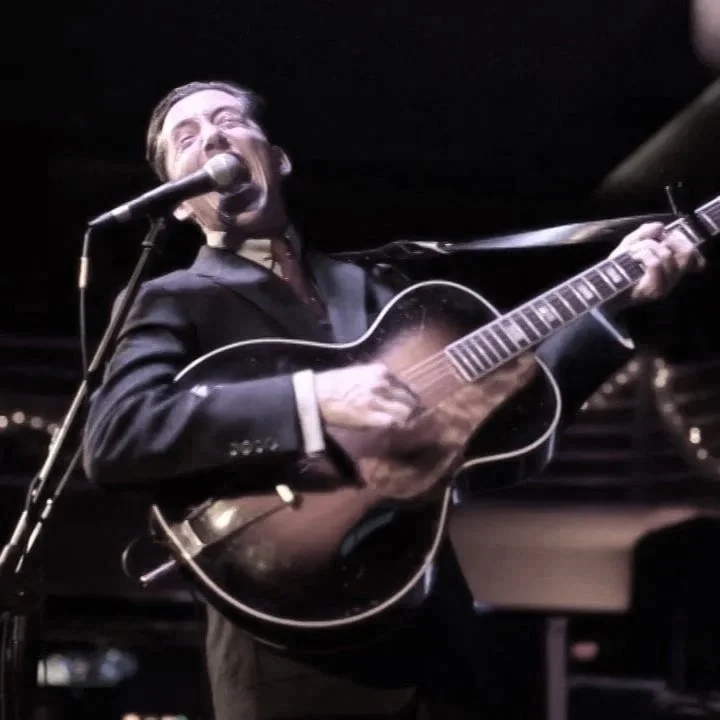
Much of this work is rooted in St. Louis, but the value isn’t geographic. It’s cultural.
Understanding how people behave when they’re not performing for the camera is what allows the work to travel—whether the audience is local, institutional, or national. Attention isn’t forced. It’s earned through accuracy and restraint.
That’s how stories last.
Scope & Capacity
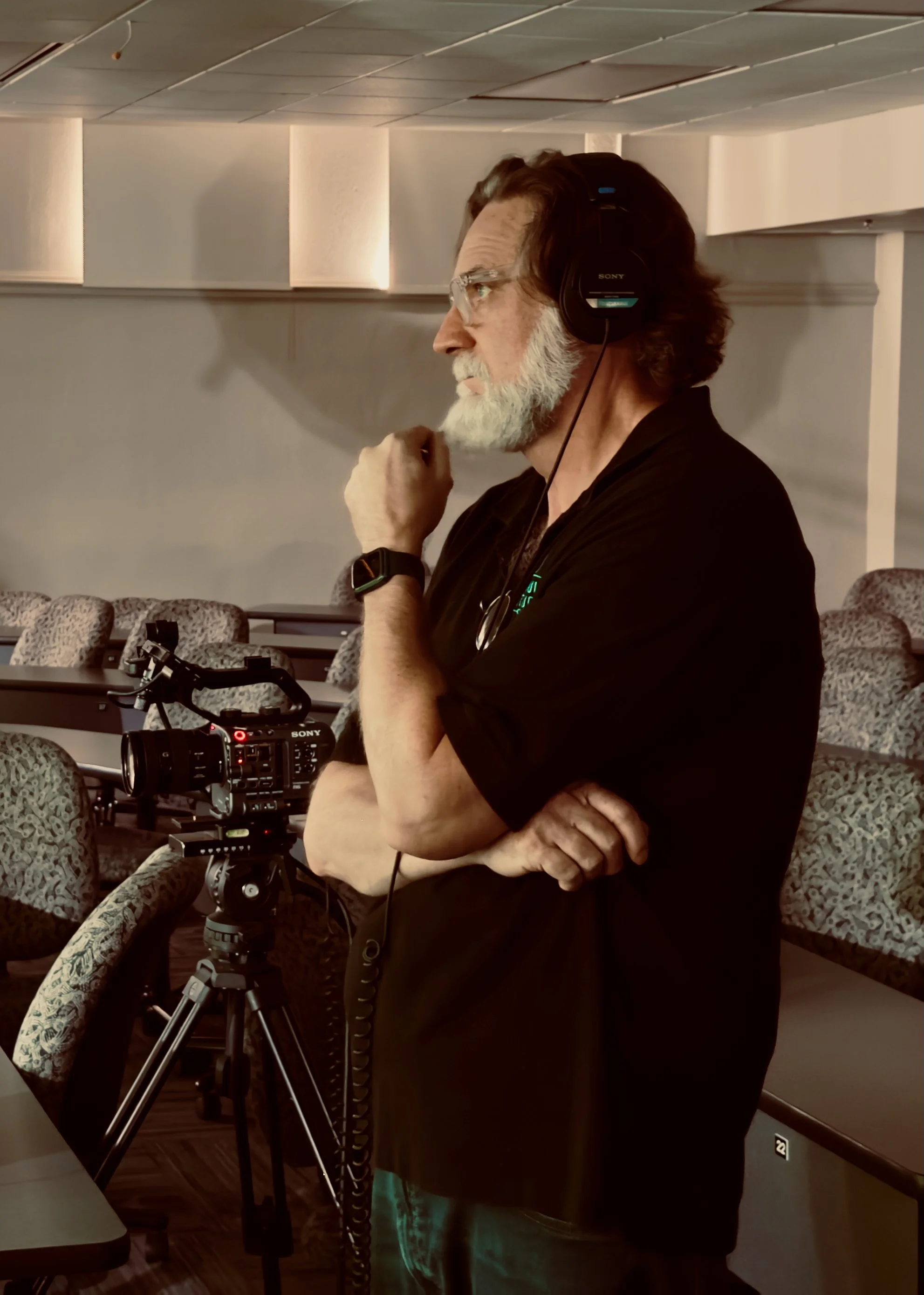
Hydraulic Pictures is intentionally small.
I accept a limited number of institutional partnerships each year to maintain senior-level focus on every engagement. There are no handoffs. No junior teams. No dilution of judgment.
If a project requires speed, discretion, and certainty, this work is designed for that.
If it requires spectacle, volume, or constant direction, it likely isn’t.